

Why You Should Rotate Your Tires (And How It Saves You Money)
Tires are one of the most important safety and performance components on your vehicle — yet they are also one of the most neglected.
Many drivers replace tires far earlier than necessary, not because the tires were bad, but because they weren’t maintained properly. One simple habit — tire rotation — can extend tire life, improve handling, and protect your investment.
Why Tires Wear Unevenly
Your vehicle does not distribute weight evenly across all four tires.Because of this:
- Front tires handle most braking
- Front tires handle steering
- Rear tires carry different loads
- Drive wheels experience more stress
Over time, this causes uneven tread wear.
If left unchecked, some tires wear out much faster than others.
What Tire Rotation Actually Does
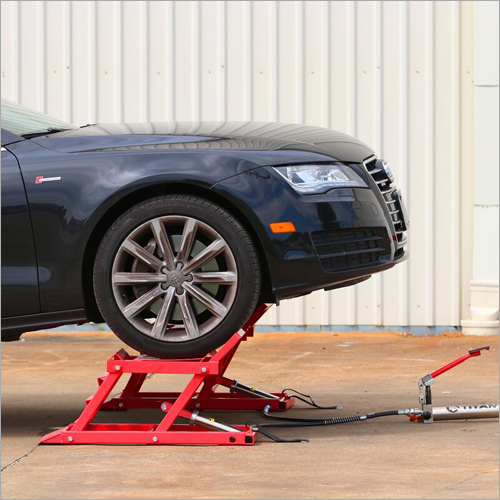
Tire rotation means moving tires to different positions on the vehicle.
This helps:
- Balance wear patterns
- Extend tire life
- Maintain even traction
- Improve ride quality
Instead of replacing two tires early, rotation helps all four tires wear evenly.
How Often Should You Rotate Your Tires?
At Effortless Auto Care, we recommend rotating tires every:
5,000 to 7,000 miles
This often lines up with oil change intervals, making it easy to remember.
You should rotate sooner if you notice:
- Vibrations
- Steering pull
- Uneven tread patterns
- Road noise
What Happens If You Don’t Rotate Your Tires
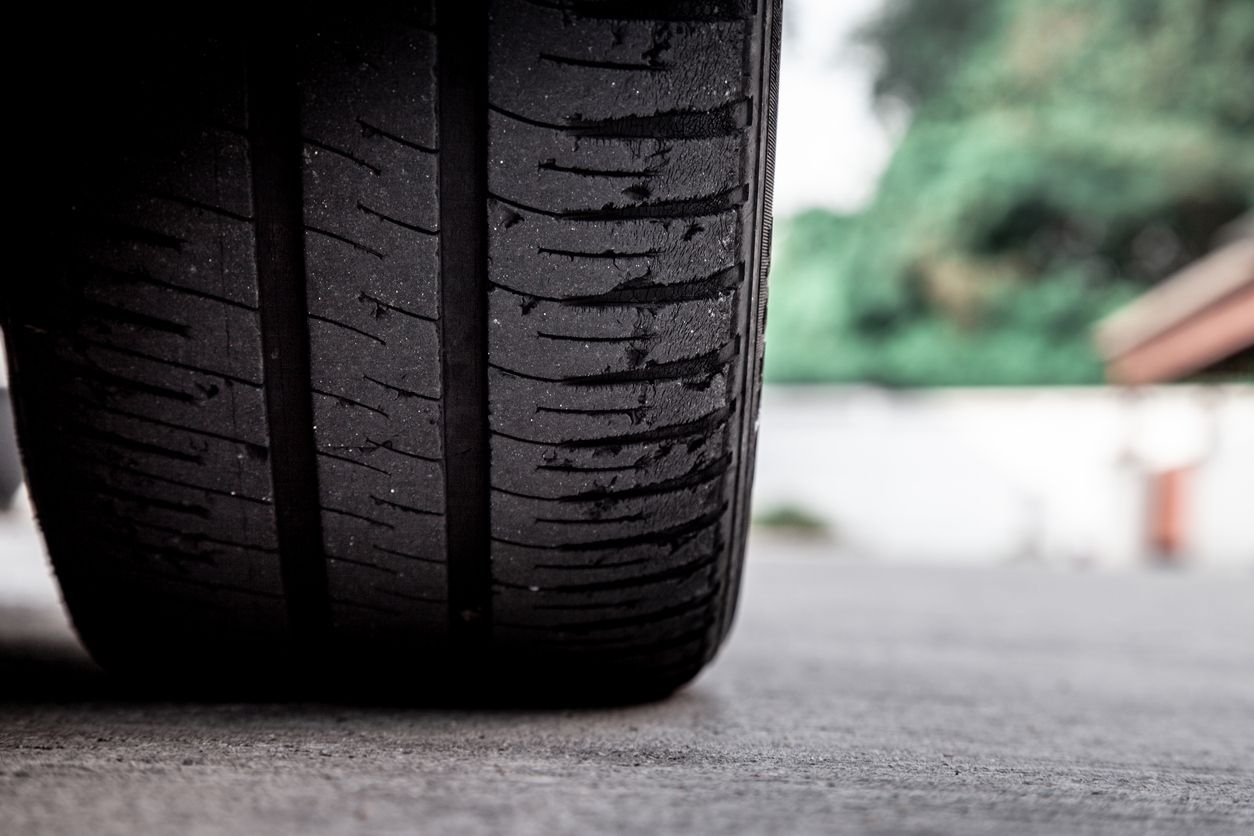
Skipping rotations leads to:
- Premature tire replacement
- Reduced traction
- Poor handling
- Increased stopping distance
- Higher risk of blowouts
In extreme cases, uneven tires can affect suspension components.
The Impact on Safety and Performance

Even tire wear improves:
- Braking performance
- Wet-weather grip
- Steering response
- Stability during turns
Balanced tires keep your vehicle predictable and safe in all conditions.
Video Explanation: Tire Rotation and Maintenance
Different Drivetrains, Different Wear Patterns
Tire wear depends on drivetrain type:
Front-Wheel Drive
Front tires wear fastest due to steering and power.
Rear-Wheel Drive
Rear tires wear more from acceleration.
All-Wheel Drive
All tires must remain evenly matched to avoid drivetrain stress.
This is why proper rotation patterns matter.
How Tire Rotation Saves You Money
Proper rotation can:
- Extend tire life by 20–30%
- Reduce early replacements
- Protect suspension parts
- Improve fuel efficiency
Replacing tires early costs far more than routine maintenance.
When You Should Check Your Tires Immediately
Schedule an inspection if you notice:
- Visible tread differences
- Cracks or bulges
- Low pressure warnings
- Steering vibration
- Pulling to one side
These signs often point to uneven wear.
Professional Recommendation from Effortless Auto Care
At Effortless Auto Care, our recommendation is simple:
Rotate your tires every 5,000–7,000 miles.
Check alignment regularly.
Maintain proper air pressure.
Together, these habits protect your tires and your safety.
Need Help With Maintenance?
Questions about engine health, oil changes, or preventative maintenance? Our team handles real-world vehicle issues every day — not generic advice.
Whether you need a quick inspection, routine service, or help diagnosing a problem, we’ve got you covered.
Get started:
- Call us directly
- Or visit: effortlesscareautocare.com
Consistent maintenance — combined with proper driving habits — is what keeps vehicles reliable, efficient, and on the road long-term.
Final Thoughts
Tire rotation is not optional maintenance.
It is one of the easiest ways to:
- Extend tire life
- Improve safety
- Reduce ownership costs
A small service at the right time keeps your vehicle performing properly for years.
