
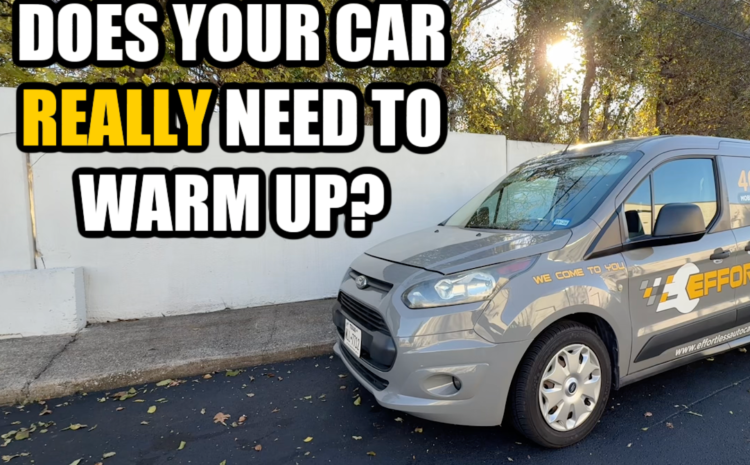
Is Warming Up Your Car REALLY Important?
Many drivers are unsure whether warming up their car actually matters — or if it’s just an old habit from the past.
With modern engines and synthetic oils, the rules have changed. But that doesn’t mean warming up is useless. In this article, we’ll explain when it helps, when it doesn’t, and how to do it correctly.
Why Engine Oil Matters When Your Car Is Cold
Think about a cold bottle of molasses.
When it’s cold, it pours slowly.
When it’s warm, it flows easily.
Your engine oil works the same way.
When your car is cold:
- Oil is thicker
- It moves more slowly
- It doesn’t lubricate parts as efficiently
Until oil circulates properly, important engine components receive less protection.
What Happens When You Start a Cold Engine

When you start your car in cold conditions:
- Oil is sitting in the oil pan
- Metal parts are contracted
- Clearances are tighter
- Lubrication is limited for the first moments
During this time, friction is higher than normal.
That doesn’t mean your engine will fail instantly — but repeated cold starts without proper warm-up increase wear over time.
Do Modern Cars Still Need Warm-Up Time?
Yes — but not the way older cars did.
In the past, vehicles needed several minutes of idling.
Modern fuel-injected engines no longer require long warm-ups.
However, they still benefit from short stabilization time.
At Effortless Auto Care, we recommend:
Let your car idle for at least 60 seconds before driving.
This allows:
- Oil pressure to stabilize
- Oil to begin circulating
- Engine temperature to rise slightly
- Sensors to calibrate properly
The Right Way to Warm Up Your Vehicle
Warming up doesn’t mean sitting for 10 minutes.
Here’s the correct method:
- Start your car
- Let it idle for about 60 seconds
- Begin driving gently
- Avoid high RPMs for the first few minutes
This combination gives your engine proper lubrication without wasting fuel.
Why Driving Immediately Can Cause Long-Term Wear
Driving aggressively right after startup can cause:
- Increased friction
- Accelerated component wear
- Oil breakdown
- Reduced engine lifespan
Most engine damage happens gradually — not suddenly.
Small habits over time make a big difference.
Video Explanation: Warming Up Your Car
Common Myths About Warming Up
“Modern cars don’t need warm-up at all”
Not true. They need less time, not zero time.
“Idling for 10 minutes is best”
False. This wastes fuel and can cause carbon buildup.
“It only matters in winter”
Cold starts happen every morning — even in warm climates.
How Proper Warm-Up Saves You Money
Warming up correctly helps prevent:
- Premature engine wear
- Oil contamination
- Sludge buildup
- Expensive repairs
Small habits now reduce major repair bills later.
For fleet owners, delivery drivers, and daily commuters, this matters even more.
When You Should Be Extra Careful
Be especially mindful if you:
- Drive early mornings
- Park outdoors
- Drive short distances
- Own high-mileage vehicles
- Use your car for work
These conditions increase cold-start stress.
Professional Recommendation from Effortless Auto Care
At Effortless Auto Care, our recommendation is simple:
Let your vehicle warm up for 60 seconds before driving.
Then drive gently for the first few minutes.
This protects:
- Your engine
- Your oil system
- Your investment
Need Help With Maintenance?
Questions about engine health, oil changes, or preventative maintenance? Our team handles real-world vehicle issues every day — not generic advice.
Whether you need a quick inspection, routine service, or help diagnosing a problem, we’ve got you covered.
Get started:
- Call us directly
- Or visit: effortlessautocare.com
Consistent maintenance — combined with proper driving habits — is what keeps vehicles reliable, efficient, and on the road long-term.
Final Thoughts
Warming up your car isn’t outdated advice.
It’s just misunderstood.
You don’t need long idling sessions — but you do need smart habits.
One minute of patience can save you thousands in repairs.
Take care of your engine, and it will take care of you.
