
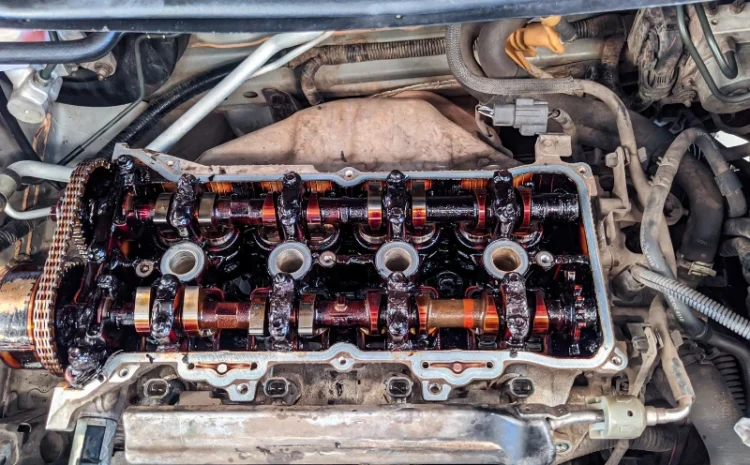
The Hidden Cost of Poor Fleet Maintenance
Maintenance is a crucial part of any fleet, but it is also the bane of many fleet owners’ existence, costing time, money, & resources to keep up with. But if you don’t keep up with it… it costs more time, money, and resources. But what are the actual hidden costs of poor fleet maintenance, & how can fleet owners adapt to streamline operations, costs, & lessen the headache that maintenance logistics can cause?
Preventive Maintenance is the Secret to Reducing Your Long-Term Repairs
When you have a busy fleet, doing your oil change on time or rotating your tires, addressing that loose suspension — it’s easy to put all of this on the back burner for the sake of time or for the sake of maximizing profit via keeping your cars on jobs rather than in the shop.
And you know what, we get it. However, poor maintenance will actually increase your operational costs long term, and there are a variety of reasons why, from poor oil routines leading to sludged up oil eventually leading to engine failure.

Poor suspension leading to tire wear.

Coolant levels going unchecked leading to overheating.

That pesky O2 sensor leading to eventual catalytic converter failure.

The list goes on and on.
Poor Maintenance Leads to Unresolved Issues… Which Lead to Major Problems
Not only does a regimented maintenance routine reduce the risk of these minor issues turning into severe ones, but it also gives you an opportunity to catch issues before they become major issues. For example, noticing your engine is burning oil – a problem that can oftentimes only be caught when you go to change or check the oil but can ultimately lead to an expensive engine replacement if left unchecked.

But not only is the actual repair bill for these major jobs a major expense – but the downtime associated with these major repairs.
An engine replacement on average takes 10–20 flag hours for a technician or shop, but this doesn’t include the time it takes to order parts, set up the logistics of getting the work unit to the shop, or any potential bumps in the road that may occur during the repair process.
It isn’t unrealistic to have a unit down for 1–3 weeks for something like an engine replacement.
Add this to the cost of your repair, in addition to the actual cost of the repair.
Poor Maintenance Leads to Higher Operational Costs
Believe it or not, repairs aside, poor maintenance leads to higher operational costs.
If your suspension goes unchecked or your tires are under/over inflated – that 6 year / 50–60k mileage your tires are rated for? That is going to be reduced, sometimes by as much as 25–30%.
Did you know that under-inflating tires as well as dirty engine air filters can affect your fuel economy? Leading to more frequent fill-ups at the gas station.
Poor alignment will lead to more frequent tire replacements, sometimes cutting your tire life by half.
Major repair bills aside, having poor maintenance is going to increase the cost of your day-to-day operational needs like tires & gas, leading to a significant cost over time.

The Opportunity Cost of Poor Maintenance
And let’s address the hidden cost, that arguably is the most impactful – opportunity cost.
When your units aren’t able to be on the road doing their job, they are losing you money, and for some customers you may lose that business forever a cost that will compound for years to come.
The Solution
Effortless Auto Care Fleet Services
We at Effortless Auto Care, we offer robust fleet services to help streamline your fleet operations, reduce operational costs & reduce downtime.
To learn more about Effortless Fleet Services, contact us at (469)-991-1581 or go to our website.
