
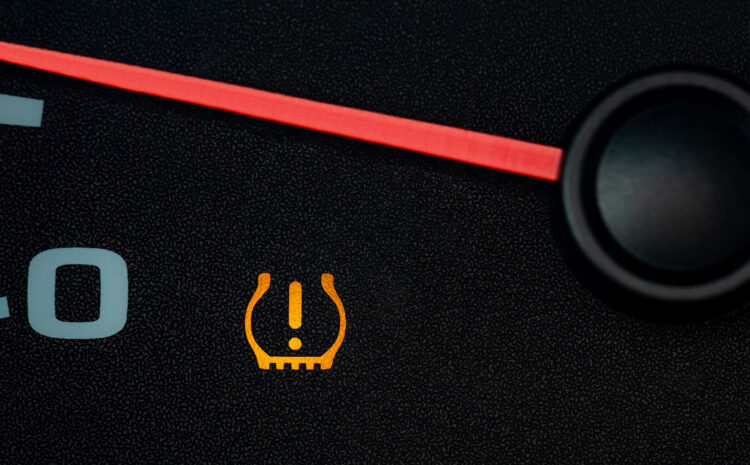
Why Does My Tire Pressure Light Come On in the Winter?
If you’ve ever started your car on a cold morning and noticed the tire pressure warning light glowing on your dashboard, you’re not alone. This is one of the most common questions drivers have during the winter months — and the good news is, it’s usually an easy fix.
Let’s break down what’s going on, why it happens, and what you should do next.
What Does the Tire Pressure Light Mean?
When that warning light turns on, it’s your vehicle’s way of telling you that one or more of your tires is below the recommended air pressure. Most people check their tires and immediately wonder:
“Why is my tire pressure low when I didn’t have this issue yesterday?”
The answer has everything to do with temperature.
Why Cold Weather Lowers Tire Pressure
Air behaves differently depending on temperature. In warm weather, air molecules inside your tires are more spread out.

When temperatures drop, those same air molecules become more compact and dense. Your tire still contains the same amount of air, but because the molecules are packed tighter together, the pressure inside the tire decreases. That’s why your tire may look slightly flatter in cold weather — and why the warning light turns on.
How to Fix Low Tire Pressure the Right Way
1. Find the Correct Tire Pressure
Before adding air, you need to know how much pressure your tires actually need. Look for the Tire and Loading Information sticker, typically located:
- Inside the driver-side door jamb
- On the door frame itself
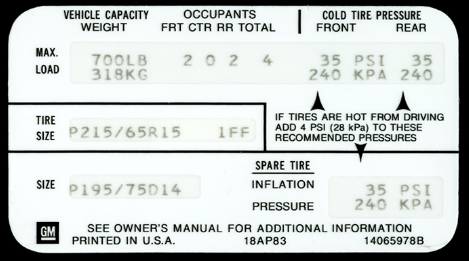
This sticker is provided by the manufacturer and lists the cold tire pressure for:
- Front tires
- Rear tires
- Spare tire
2. Understand “Cold Tire Pressure”
Cold tire pressure means you should inflate your tires before driving, when the tires haven’t warmed up yet. Driving even a short distance can temporarily increase tire pressure and give you an inaccurate reading.
3. Inflate Each Tire Correctly
Not all tires require the same pressure. Front, rear, and spare tires often have different recommended PSI, so it’s important to follow the sticker exactly.
Why Proper Tire Pressure Matters
Driving with underinflated tires can lead to:
- 🚗 Lower fuel economy
- 🛞 Reduced handling and traction
- ⚠️ Increased tire wear
- 💸 Shortened tire lifespan

In extreme cases, improper tire pressure can even increase the risk of tire failure.
How Effortless Auto Care Helps
At Effortless Auto Care, we make sure this never becomes a problem for our customers. With every service, we:
- Check all tire pressures
- Adjust them to manufacturer-recommended cold PSI
- Help protect your tires, fuel efficiency, and overall safety
The Bottom Line
If your tire pressure light comes on in the winter, it doesn’t mean something is wrong — it means your car is doing its job by keeping you informed. Cold weather causes air pressure to drop, and a quick adjustment is usually all it takes.
Want truly effortless car maintenance? 👉 Schedule your next service today and let us handle the details for you.
Follow us for more simple, helpful car care tips that keep you safe year-round.
